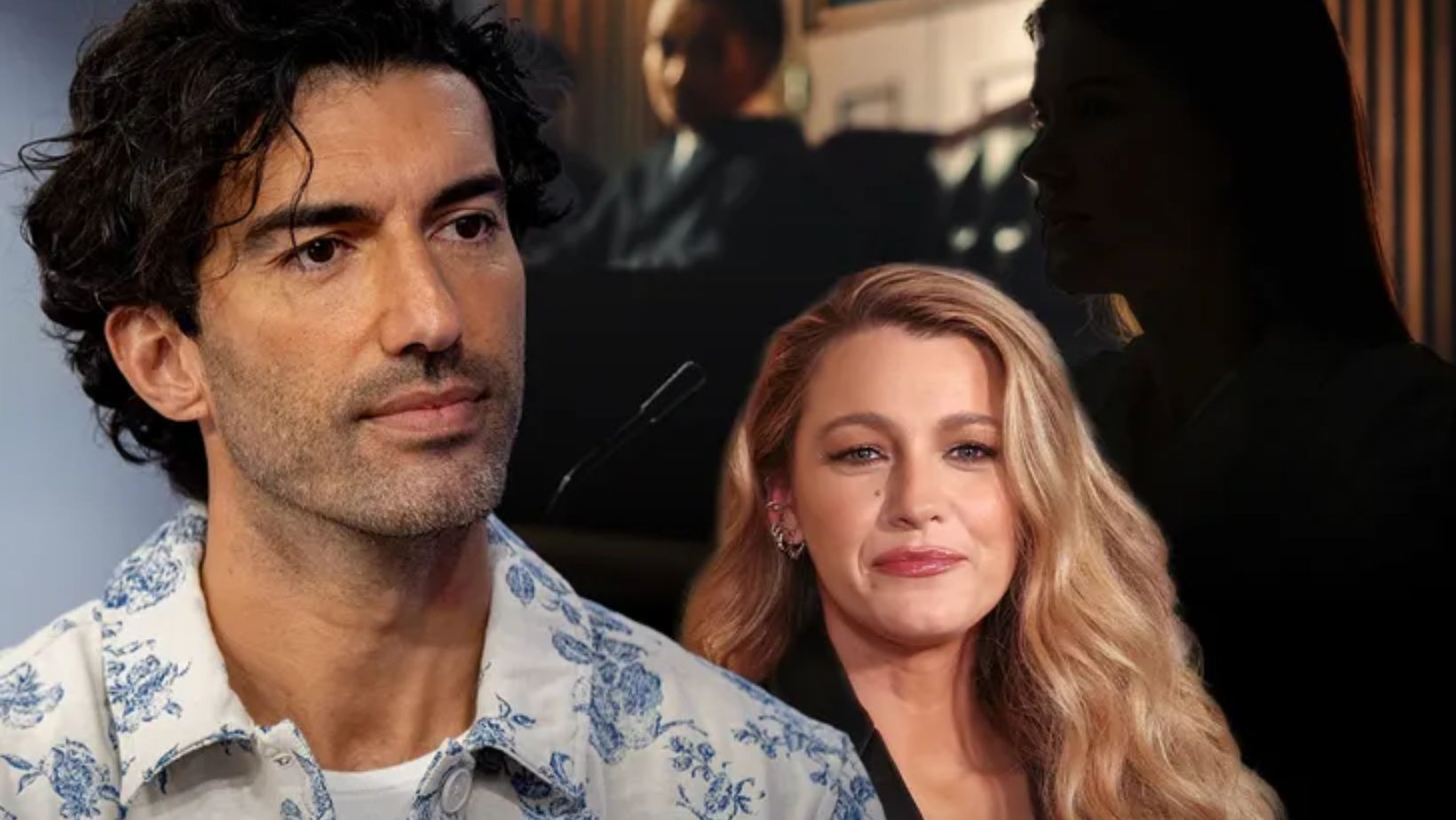

- New accuser supports Lively’s claims with firsthand allegations.
- California’s AB 933 law is central to Lively’s damage claims.
- The case could influence future #MeToo-related litigation.
- Trial scheduled for March 2026 will address both harassment and retaliation claims.
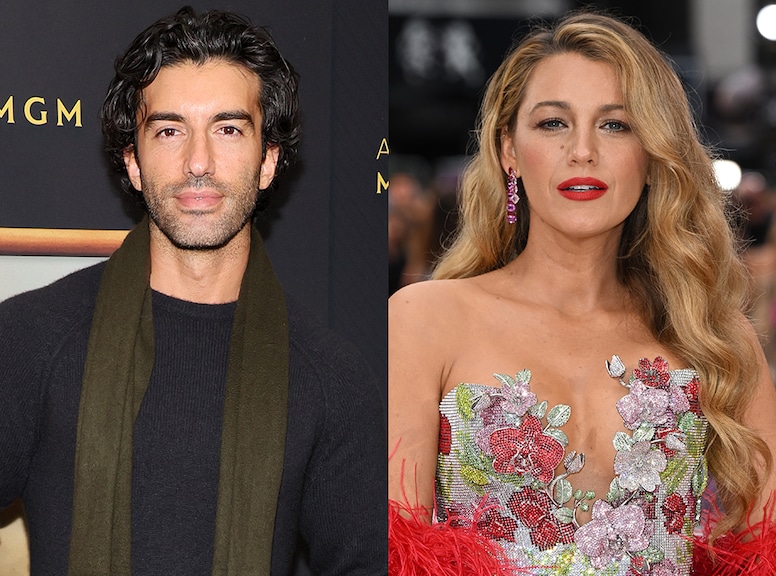
The legal battle between Blake Lively and Justin Baldoni has grown more intense with new harassment allegations against Baldoni.
These developments might have a significant effect on the upcoming trial set for March 2026.
New Accuser Emerges in Baldoni Case
Another individual has come forward with claims against Justin Baldoni, saying they experienced repeated negative interactions and verbal abuse. This accuser, who worked on a different project with Baldoni, is expected to testify in Blake Lively’s trial. The person stated,
Furthermore, the accuser shared that Baldoni was barred from the set during most of production due to these incidents and was also excluded from marketing efforts. This testimony strengthens Lively’s case as she seeks legal redress.
🚨Exclusive: Blake Lively isn’t the only person claiming that Justin Baldoni harassed them … we’ve learned there’s another person who may end up testifying in court with similar allegations. pic.twitter.com/uP02mzqEnc
— TMZ (@TMZ) September 9, 2025
Lively Seeks Millions in Damages
Blake Lively has filed a motion asking Baldoni to cover her legal fees and pay triple damages under California’s Protecting Survivors from Weaponized Defamation Lawsuits Act. Her spokesperson said,
“California law expressly prohibits suing victims who speak out against sexual harassment or retaliation, whether in court or in the press. The statute also includes a mandatory fee-shifting provision, requiring those who file frivolous defamation claims to pay damages.”
Lively’s legal team argues that Baldoni’s defamation suit was unfounded and retaliatory, meant to silence her claims. The motion highlights the emotional and economic harm Lively suffered due to the lawsuit.
Legal Background and Case Dismissal
Judge Lewis Liman dismissed Baldoni’s $400 million defamation lawsuit against Lively and Ryan Reynolds in June 2025. He ruled that Lively’s harassment claims were protected speech. However, the judge did not initially determine the applicability of California’s anti-defamation law.
Lively’s lawyers celebrated the dismissal as a “total victory and a complete vindication.” Baldoni’s legal team argued that Lively created the allegations to gain control of the film, but the court allowed Lively to pursue fees and damages under the state statute.
Implications for #MeToo and Legal Precedents
This case tests California’s AB 933, which protects sexual harassment survivors from defamation claims. Lively’s spokesperson emphasized its significance:
“Sadly, Ms. Lively is not alone in facing a retaliatory defamation suit after speaking out about harassment at work. That is precisely why California enacted AB 933: to make clear that survivors are protected when they speak up.”
The outcome could set a precedent for how courts handle retaliatory lawsuits, encouraging more victims to come forward without fear of legal repercussions. The trial date is set for March 9, 2026.
Also Read: Body Found in Impounded Tesla Belonging to Singer D4vd
Last Updated on September 9, 2025 by 247 News Around The World