
- Trump lacks the legal authority to revoke birthright citizenship.
- The 14th Amendment safeguards citizenship for U.S.-born individuals.
- O’Donnell’s move reflects broader concerns about equality and safety.
- The rivalry remains a symbol of political and personal clashes in modern America.
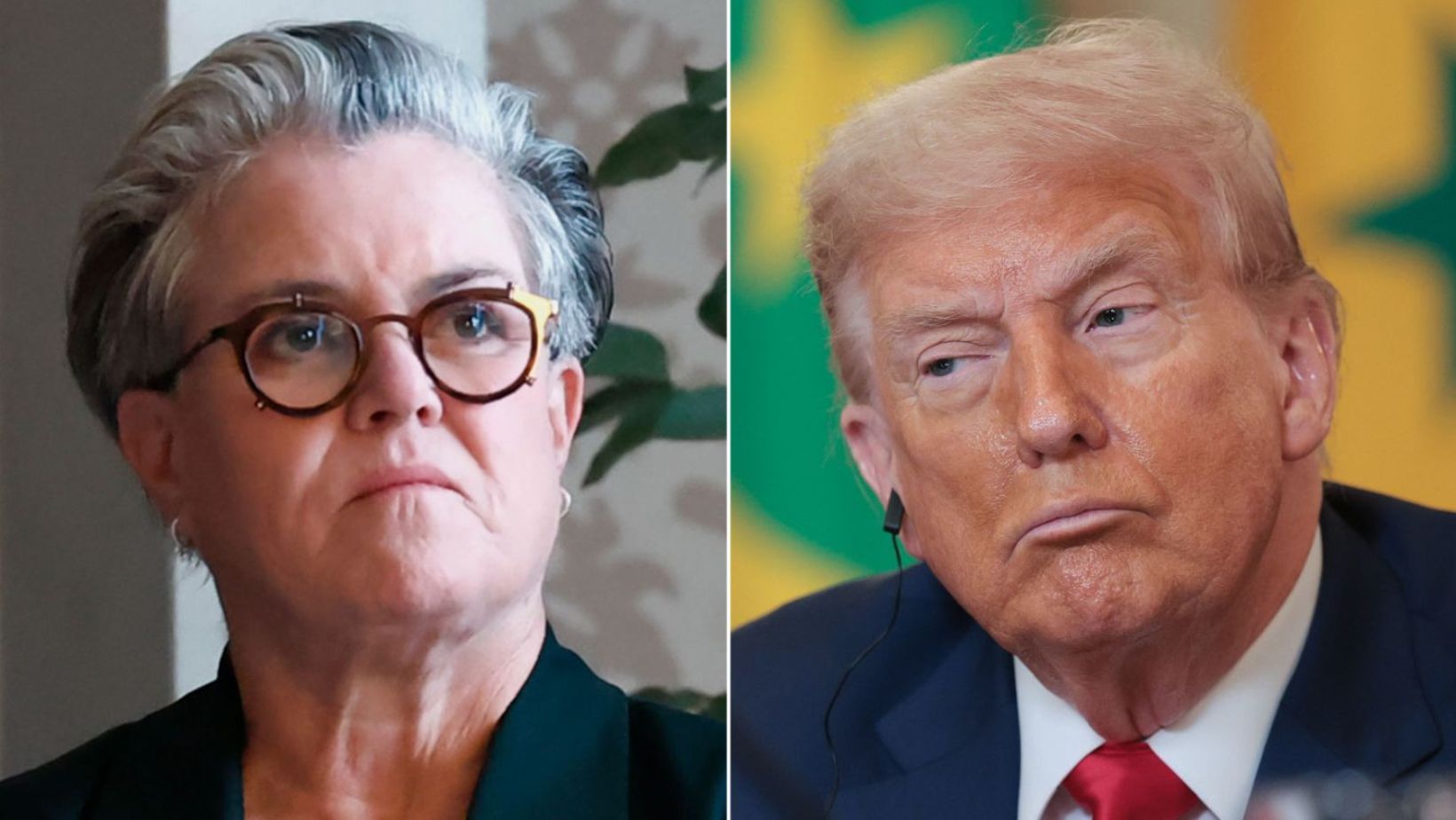
The long-standing feud between former President Donald Trump and comedian Rosie O’Donnell has escalated dramatically. Trump has threatened to revoke her U.S. citizenship.
This unprecedented move has sparked legal debates and public scrutiny. It highlights the tension between political statements and constitutional limits. Here’s what you need to know about this developing story.

Trump’s Threat to Revoke Citizenship
President Donald Trump recently reignited his rivalry with Rosie O’Donnell by publicly threatening to take away her U.S. citizenship. In a Truth Social post, he declared:
“As previously mentioned, we are giving serious thought to taking away Rosie O’Donnell’s citizenship. She is not a Great American and is, in my opinion, incapable of being so.”
This is not the first time Trump has made such a threat. In July 2025, he claimed O’Donnell was “not in the best interests of our Great Country” and a “threat to humanity.” These repeated warnings raise questions about the president’s authority to enforce such actions.
O’Donnell’s Defiant Response
Rosie O’Donnell responded to Trump’s threats with defiance and sarcasm. On Instagram, she posted:
“Banishing me again? Logan Roy would be proud. I’m the distraction – Epstein survivors are the reckoning, and your gold lamé throne is melting. Only Rosie O’Donnell.”
View this post on Instagram
In another reply, she mocked Trump’s demeanor and authority:
“Go ahead and try, king Joffrey with a tangerine spray tan. I’m not yours to silence. I never was.”
O’Donnell, who moved to Ireland in early 2025, has spoken out about her decision to leave the U.S. She cites safety and equality concerns.
Legal Limits on Presidential Power
Legal experts agree that Trump cannot revoke O’Donnell’s citizenship. The U.S. Constitution’s 14th Amendment guarantees birthright citizenship.
Supreme Court precedents like Afroyim v. Rusk (1967) prohibit the government from stripping native-born citizens of their status without consent. UCLA law professor Eugene Volokh emphasized:
“Once you have American citizenship, you have a constitutional entitlement to it. If you like your American citizenship, you can keep your American citizenship and that’s with the Supreme Court’s guarantee.”
Denaturalization is only possible for naturalized citizens in rare cases involving fraud or national security risks, neither of which applies to O’Donnell.
Why O’Donnell Moved to Ireland
O’Donnell’s relocation to Ireland was a direct response to Trump’s re-election. In a TikTok video, she explained:
“When it is safe for all citizens to have equal rights there in America, that’s when we will consider coming back.”
She is currently seeking Irish citizenship through descent, using her grandparents’ heritage. Her move underscores the deepening political divisions in the U.S. and the personal impact of government policies on critics.
Also Read: Bryan Kohberger Reveals Mental Health Diagnoses Before Guilty Plea
Last Updated on September 4, 2025 by 247 News Around The World