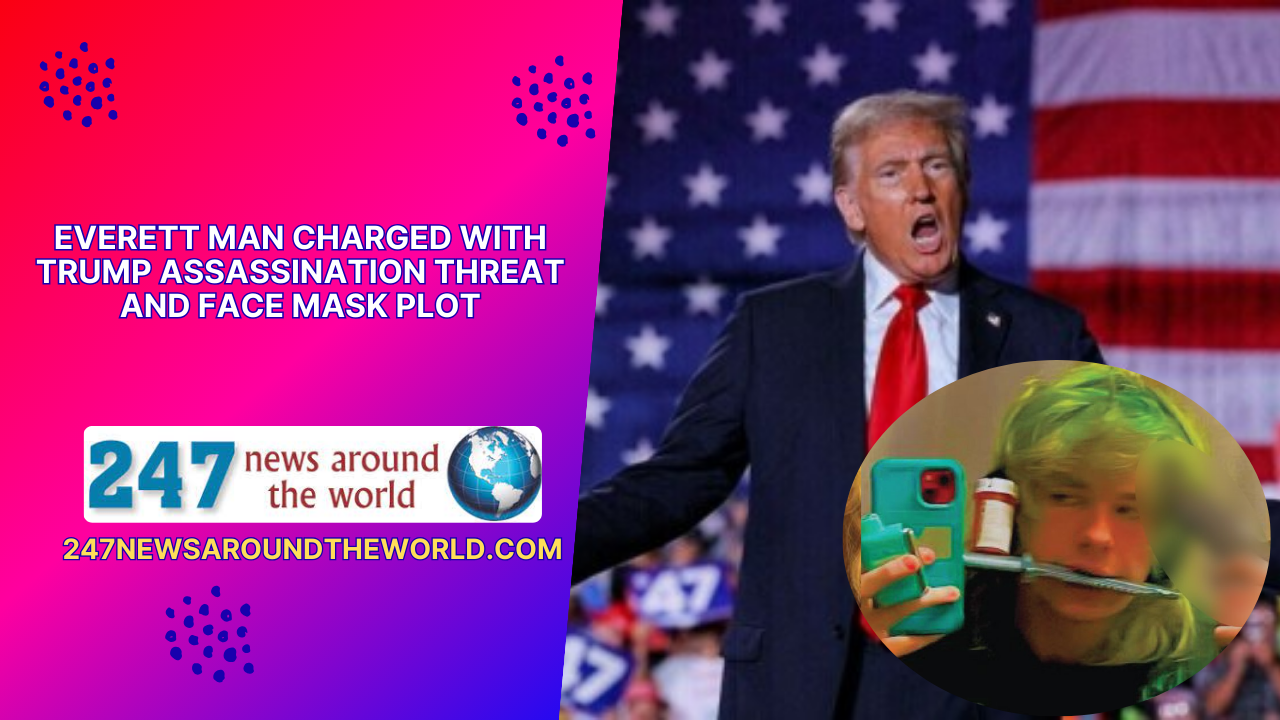

- Federal authorities arrested Phillip Wharton for graphic threats.
- The suspect faces two counts of threatening a federal official.
- Investigations involved both the FBI and the Secret Service.
- Motives appear linked to political anger and social controversies.
An Everett man is currently making headlines after federal authorities unmasked a disturbing series of online threats directed at President Donald Trump. This case highlights the intensifying scrutiny of political violence in the digital age as federal investigators move swiftly to address credible warnings.
With the Department of Justice taking a firm stance on digital intimidation, this legal battle serves as a stark reminder that what happens on social media has real-world consequences for those who cross the line into criminal conduct.
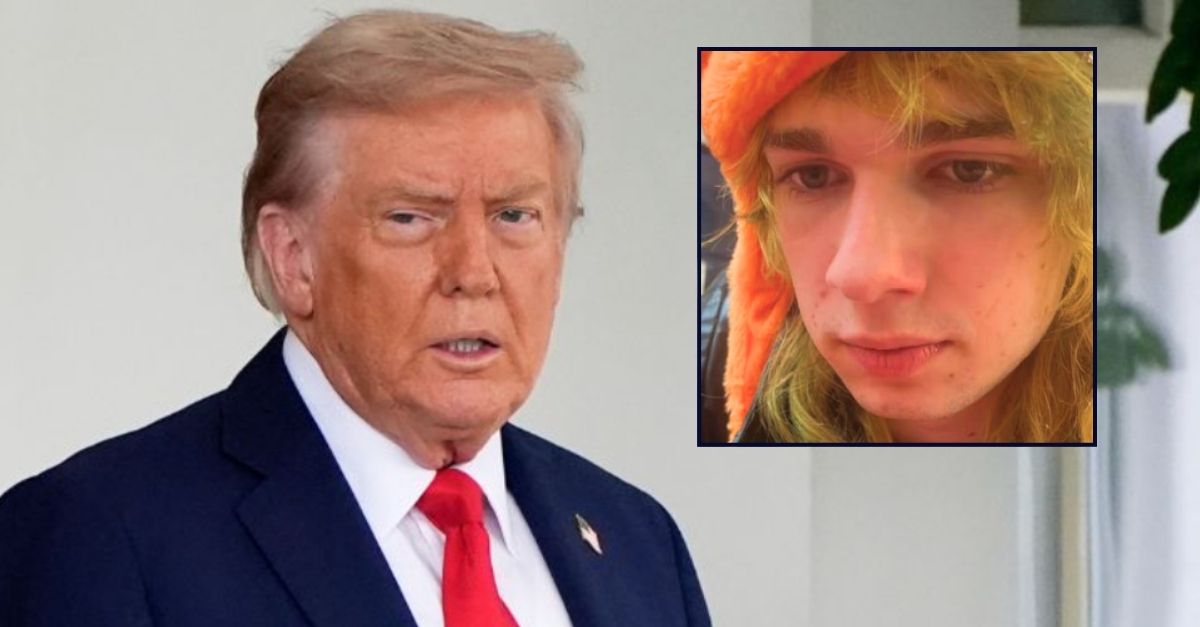
Who Is Phillip Wharton? Everett Man Behind Trump Threat Posts
Phillip Wharton is an Everett resident now thrust into the spotlight following a federal investigation into his online activities. Before these charges, he was a relatively unknown individual, but his digital footprint has since painted a dark picture for federal prosecutors.
This Washington state man reportedly utilized various social media handles to broadcast his intentions to harm high-profile figures. His transition from an anonymous user to a primary subject of a Secret Service probe illustrates how quickly modern surveillance can identify individuals who post violent rhetoric against public officials.
Details of the “Wear His Face as a Mask” Social Media Threat
The specific nature of the threats in this case is particularly gruesome and goes far beyond standard political venting. According to court documents, Wharton described a horrific plan to physically harm Donald Trump and then wear his face as a mask. This visceral imagery caught the immediate attention of federal monitors who flagged the content for its specific and violent nature.
Such graphic descriptions are often treated as high-priority risks by law enforcement because they suggest a level of premeditation and psychological intensity that exceeds typical online harassment or trolling.
“This is not a joke, but a confession admissible in a court of law.”
Whelp.
Phillip Wharton from Everett has been charged with two counts of threatening a federal official for posts saying he was going to kill President Trump and “wear his face as a mask.” @komonews pic.twitter.com/V1yo1jHyiI
— Jeremy Harris (@JeremyHarrisTV) February 26, 2026
August 2025 X Post: Killing Trump and Wearing His Face
In August 2025, a post appeared on the platform X that detailed a specific intent to assassinate the former president. The message explicitly mentioned the act of killing Trump followed by the disturbing mask plot previously noted. This post served as a critical piece of evidence for the FBI.
By using a public forum to air these violent fantasies, the user created a digital trail that investigators used to build their case. The metadata and timing of this post helped authorities establish a pattern of behavior that eventually led to the formal charges being filed against the Everett local.
September 2025 Instagram Confession to Assassinate the President
The situation escalated in September 2025 when a secondary confession appeared on Instagram. In this instance, the rhetoric shifted from vague desires to a more direct statement of intent regarding the assassination of the president. Federal agents noted that this subsequent post reinforced the seriousness of the earlier threats.
By repeating these claims across multiple platforms, Wharton demonstrated a persistent focus on his targets. This digital consistency made it difficult for any defense to claim the posts were a one-time lapse in judgment or a hacked account during the initial inquiry.
Why Phillip Wharton Claimed Threats Were Not a Joke
When confronted by investigators, Wharton reportedly doubled down on his statements rather than dismissing them as satire. He explicitly told officials that his words were not meant to be humorous or a joke. This admission is a pivotal element of the prosecution’s case because it establishes intent, a core requirement for a conviction in threat-related offenses.
By confirming that he meant exactly what he wrote, he removed the common defense of internet hyperbole. This directness has made the legal proceedings more straightforward for the U.S. Attorney’s Office in Washington.
DOJ Indictment: Two Counts of Threatening a Federal Official
The formal legal response came in the form of a Department of Justice indictment charging him with two counts of threatening a federal official. These charges carry significant weight and could result in years of federal prison time if a conviction is secured. The Department of Justice remains committed to prosecuting those who use electronic communications to incite violence or threaten national leaders.
This indictment serves as a public signal that the government treats digital threats with the same level of urgency as physical attempts to cause harm to protected persons.
How Secret Service and FBI Investigated the Everett Threats
The apprehension of the suspect was the result of a coordinated effort between the Secret Service and the FBI. Investigators utilized advanced digital forensics to trace the IP addresses associated with the X and Instagram accounts back to the Everett residence.
Surveillance and interviews further corroborated that Wharton was the sole operator of those profiles. This joint task force approach ensured that all evidence was gathered legally and efficiently. The speed of the identification process shows the current capabilities of federal agencies in monitoring and reacting to threats.
Phillip Wharton’s Motive: Anger Over Trump and Jeffrey Epstein
Court filings suggest that the primary motive behind these threats was a deep-seated anger regarding Donald Trump’s perceived connections to Jeffrey Epstein. Wharton allegedly referenced these grievances in his posts as a justification for his violent intent.
This fixation on specific political and social controversies provided a window into his mental state during the time of the posts. By linking his threats to these topics, he showcased a radicalized viewpoint that law enforcement experts often associate with lone-actor threats. His frustration eventually manifested as criminal behavior.
Also Read | Jessy Potts Confirms Tommy Bradley Friendship After Split
Last Updated on March 3, 2026 by 247 News Around The World