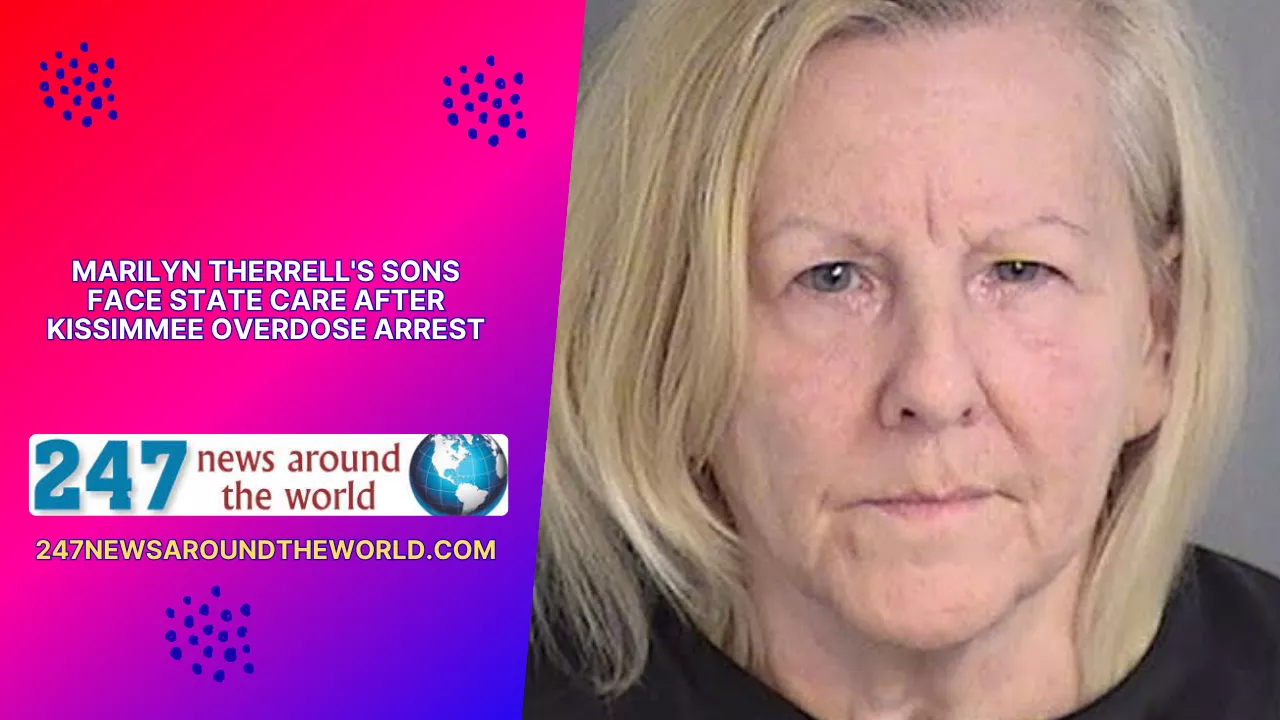

Two adult men with severe autism who were the alleged victims of an attempted overdose by their 68-year-old mother in Kissimmee, Florida, are now facing a life-altering transition. According to the Osceola County Sheriff’s Office, both survived the September 8, 2026, incident and remain hospitalized for continued care. Once medically cleared, they will be placed under the care of the Florida Department of Children and Families’ Adult Protective Services, ending decades of home care by their parents.
The Marilyn Therrell sons are 30 and 32 years old. Both have been diagnosed with severe autism. Neither has been publicly named by law enforcement, which is standard practice for adult victims in cases involving vulnerable populations. Their identities remain protected while the criminal case against their mother, Marilyn Elise Therrell, moves forward. She has been charged with two counts of attempted first-degree murder and two counts of aggravated abuse of a disabled adult, with bond set at $50,000.
The case has drawn widespread public attention not only for the disturbing nature of the allegations but also for what it reveals about the ongoing challenges faced by aging caregivers of adult children with significant disabilities, particularly after the loss of a spouse.

What Is Known About the Two Sons
Public reporting has confirmed the following details about the two men:
- Ages: 30 and 32 years old at the time of the September 8 incident.
- Diagnosis: Both have been diagnosed with severe autism. The Osceola County Sheriff’s Office described their condition using the term “severely autistic.”
- Living situation: Both lived at home with their mother at the residence on Indian Ridge Trail South in Kissimmee.
- Care history: Both had been cared for at home by their parents throughout their lives. Their father died in 2025, leaving Marilyn Therrell as their sole primary caregiver.
- Current condition: Both are hospitalized following the September 8 overdose. Authorities have stated that they, along with their mother, are expected to survive.
Beyond these details, out of respect for their status as disabled adult victims, no additional personal information has been released. Their names, photographs, medical histories, and specific care needs have not been made public by law enforcement or family members.
Florida Mom Accused of Giving Medication Overdoses to Adult Sons with Autism in Attempt to Kill Them https://t.co/JziTCUApu7
— People (@people) September 20, 2026
How the Case Unfolded on September 8
According to a news release from the Osceola County Sheriff’s Office and reporting from FOX 35 Orlando, WFTV, and other outlets, deputies were dispatched to a home on Indian Ridge Trail South in Kissimmee shortly after 10 a.m. on September 8, 2026, following a 911 call reporting possible overdoses.
When emergency personnel arrived at the residence, they found Marilyn Therrell and her two adult sons all showing signs of apparent medication overdoses. All three were transported to a nearby hospital for urgent medical treatment.
Initial reports did not immediately suggest foul play. However, as investigators searched the home and interviewed family members and the property’s landlord, they began to suspect that the overdoses were not accidental.
Nine days later, on September 17, detectives interviewed Marilyn Therrell. According to the sheriff’s office, she told them her caregiving responsibilities had become increasingly difficult after her husband’s death the previous year. She allegedly admitted to intentionally giving her sons overdoses of medication in an attempt to kill them, and then taking the same medication herself.
Following the interview, Therrell was arrested and booked into the Osceola County Jail. She was charged with two counts of attempted first-degree murder and two counts of aggravated abuse of a disabled adult. Her bond was set at $50,000.
The Transition to Adult Protective Services
Once the two men are medically cleared for discharge from the hospital, they will be placed in the care of the Florida Department of Children and Families’ Adult Protective Services (APS), the Osceola County Sheriff’s Office confirmed.
The Florida Department of Children and Families’ Adult Protective Services program is responsible for investigating reports of abuse, neglect, and exploitation involving vulnerable adults. In cases like this one, where a vulnerable adult’s primary caregiver is no longer able or permitted to provide care, APS coordinates alternative arrangements.
For adults with severe autism who have lived their entire lives in family homes, this transition can be significant. Options that APS may consider include:
- Group homes: Small residential facilities designed to serve adults with intellectual and developmental disabilities. Group homes typically house between three and eight residents and provide 24-hour supervision and support with daily living activities.
- Supported living arrangements: Placements in which residents live in their own apartment or small home with staff support available for specific tasks such as medication management, meal preparation, and community access.
- Intermediate care facilities for individuals with intellectual disabilities (ICF/IID): Licensed medical facilities that provide continuous active treatment for individuals who require ongoing skilled care.
- Family placement with another relative: If a relative comes forward who is willing and able to take on caregiving responsibilities, this may be considered.
The specific placement decision will depend on each man’s individual care needs, medical stability, behavioral profile, and available placement options within the Florida system.
What “Severe Autism” Typically Involves
Autism spectrum disorder is a developmental condition that affects communication, social interaction, and behavior. The term “severe autism” is used, though it is not a formal diagnostic category, to describe individuals with the most significant support needs.
According to the CDC and the American Psychiatric Association, adults with severe autism (sometimes classified as Level 3 under the DSM-5) may:
- Have limited or no verbal communication and rely on alternative communication methods.
- Require substantial support with all activities of daily living, including eating, bathing, dressing, and toileting.
- Have difficulty adapting to changes in routine or environment.
- Experience sensory sensitivities that can be overwhelming in new settings.
- Take medications for co-occurring conditions such as anxiety, seizures, sleep disturbances, or behavioral challenges.
For men in their 30s who have lived in the same family home their entire lives, transitioning to a new environment, new caregivers, and new routines represents a significant adjustment. Best practices in the disability services field emphasize the importance of gradual transitions, familiar personal items, consistent staff, and, where possible, involvement of family members who can provide continuity.
Also Read: Bunnie Xo and Dylan Wolf Romance: Age, Timeline, Details
The Loss of Their Father and Its Impact
Central to Marilyn Therrell’s alleged statement to investigators was the death of her husband in 2025, the year before the incident. According to reporting, she told detectives that caring for her two sons had become significantly more difficult after his death.
For families with adult children who have significant disabilities, the loss of one parent-caregiver often marks a turning point. Care that was managed by two people, sometimes with additional respite support, suddenly falls entirely on one aging parent. Studies published in journals including the American Journal on Intellectual and Developmental Disabilities have documented that aging caregivers of adults with intellectual and developmental disabilities face significantly higher rates of physical exhaustion, depression, and social isolation than the general population.
Nothing in this context excuses or justifies the alleged actions described in the criminal complaint. However, understanding the pressures on aging caregivers helps illuminate why cases like this arise and what supports may be missing from the system.
The Charges Against Marilyn Therrell Explained
Marilyn Therrell faces four criminal charges in Osceola County:
Attempted first-degree murder (two counts): Under Florida law, this charge applies when a person allegedly attempts to commit a premeditated killing but the intended victim survives. Because there are two alleged victims (both of her sons), Therrell faces two separate counts. First-degree murder is a capital felony in Florida, but because both alleged victims survived, the charges are for attempted first-degree murder.
Aggravated abuse of a disabled adult (two counts): Under Florida Statute 825.102, this charge applies when a person knowingly or willfully abuses a disabled adult in a way that causes great bodily harm, permanent disability, or permanent disfigurement, or when the abuse is committed with a weapon. Again, because there are two alleged victims, Therrell faces two counts.
Bond was set at $50,000, meaning Therrell would need to post that amount (or the fee equivalent through a bail bondsman) to be released while awaiting trial.
If convicted on all four counts, Therrell faces a lengthy prison sentence, potentially life imprisonment given the seriousness of the charges. However, her age (68), her stated psychological state at the time of the alleged offense, and any evidence of caregiver burnout or mental health struggles may be introduced as factors during sentencing.
What the Case Highlights About Caregiver Support Systems
The Marilyn Therrell sons case has prompted broader public conversation about the state of long-term care systems for adults with intellectual and developmental disabilities, particularly in Florida.
Advocates for individuals with disabilities have long noted several structural issues in the system:
- Waitlists for services: Florida’s Home and Community-Based Services Medicaid Waiver program, which funds services for individuals with intellectual and developmental disabilities, has historically had a substantial waitlist. Individuals may wait years to receive services.
- Aging caregivers: A significant percentage of adults with intellectual and developmental disabilities in the United States are cared for by parents who are themselves aging into their 60s, 70s, or 80s. Estimates from the Administration for Community Living suggest that approximately 25 percent of caregivers of adults with intellectual and developmental disabilities are over the age of 60.
- Lack of respite care: Aging caregivers often report difficulty accessing respite services that would allow them temporary relief from caregiving responsibilities.
- Sudden transitions: When a caregiver becomes unable to continue providing care due to illness, death, or, as in this case, criminal charges, adult children may face abrupt and traumatic transitions to unfamiliar care settings.
None of these systemic issues justify the alleged conduct in this case. But they do help explain why families in similar circumstances can reach crisis points, and why advocates argue that better preventive support could reduce the likelihood of such incidents.
A Timeline of the Case
| Date | Event |
|---|---|
| 2025 | Marilyn Therrell’s husband dies, leaving her as sole primary caregiver |
| September 8, 2026 | 911 call at 10 a.m.; all three found with apparent overdoses; hospitalized |
| September 8 to 17, 2026 | Investigation continues; family members and landlord interviewed |
| September 17, 2026 | Detectives interview Marilyn Therrell, who allegedly admits to the overdoses |
| September 17 or 18, 2026 | Therrell booked into Osceola County Jail; bond set at $50,000 |
| Ongoing | Both sons remain hospitalized; slated for Adult Protective Services placement upon discharge |
What Comes Next for the Family
The two men will continue to receive medical care until they are cleared for discharge. Once discharged, they will enter the Florida Department of Children and Families’ Adult Protective Services system. From there, APS will conduct assessments and coordinate placement into an appropriate care setting.
For Marilyn Therrell, the case will proceed through the Osceola County court system. She is currently awaiting further legal proceedings. If she posts bond, she may be released while awaiting trial, though the terms of her release would likely include restrictions on contact with her sons.
The Osceola County Sheriff’s Office has stated that the investigation remains ongoing. No additional details about the medications involved, the specifics of the alleged administration, or the physical evidence collected at the scene have been publicly released.
Frequently Asked Questions
How old are Marilyn Therrell’s sons?
Marilyn Therrell’s two sons are 30 and 32 years old. Both have been diagnosed with severe autism and lived at home with their mother in Kissimmee, Florida, until the September 8, 2026, incident.
Are Marilyn Therrell’s sons okay?
Both sons survived the alleged overdose and are expected to make a full recovery, according to the Osceola County Sheriff’s Office. They remain hospitalized for continued care as of the most recent public updates.
Where will Marilyn Therrell’s sons go now?
Once the two men are medically cleared for discharge from the hospital, they will be placed in the care of the Florida Department of Children and Families’ Adult Protective Services. From there, they will likely be placed in a group home, supported living arrangement, or similar setting appropriate for adults with severe autism.
What is Marilyn Therrell charged with?
Marilyn Therrell has been charged with two counts of attempted first-degree murder and two counts of aggravated abuse of a disabled adult. Her bond has been set at $50,000. She is being held at the Osceola County Jail.
What did Marilyn Therrell say to investigators?
According to the Osceola County Sheriff’s Office, Therrell told detectives during a September 17 interview that caring for her sons had become more difficult after her husband died in 2025. She allegedly admitted to giving her sons medication overdoses in an attempt to kill them, and then taking the same medication herself.
When did Marilyn Therrell’s husband die?
Marilyn Therrell’s husband died in 2025, approximately one year before the September 8, 2026, incident. His death left her as the sole primary caregiver for their two adult sons with severe autism.
Also Read: Amie Jo Farber’s 2023 Arrest Resurfaces Following Son’s Fatal Drowning
Last Updated on September 22, 2026 by 247 News Around The World